
At 12:42 p.m. on a Tuesday, every human being on Earth loses consciousness. Five hours later, they wake up. Seven hundred million people are gone. Not dead, not missing in any way that search parties can solve. Just absent. Chairs still warm. Coffee still cooling. A boy’s pen still wet on the page, the ink line stopping mid-stroke as though the hand holding it simply ceased to exist.
The world that wakes up is quieter. Cleaner. The data is impossible to ignore: the air is measurably better. The oceans are healing. The forests are surging back to life with a speed that defies every model ever built. And the math connecting that recovery to the disappearances is almost perfect.
Almost beautiful, if you don’t think about whose kitchen table is empty tonight.
A journalist searches for her son in the only language she knows: data, patterns, the obsessive architecture of a spreadsheet that keeps expanding and never brings him home. A climate scientist holds proof that the planet is thriving and cannot publish it without handing the world a blueprint for the next atrocity. A pastor invents a comforting theology in the first hours of panic and watches it become a monster he can’t kill. And one man, the only person who stayed awake during those five hours, is becoming something that is no longer entirely human. A bridge to an intelligence that doesn’t hate humanity, doesn’t love it, and doesn’t distinguish between a person and a data point.
It will happen again. The only question is what could possibly stop it.
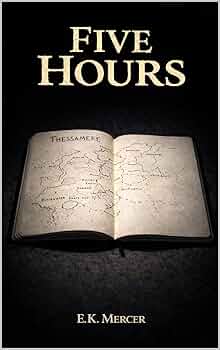
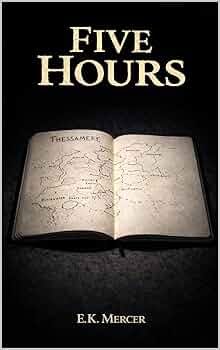
Five Hours is a novel about grief as infrastructure, memory as resistance, and the terrifying possibility that the Earth already knows exactly how to save itself. It just hasn’t decided whether we’re worth the cost. $0.99 on Kindle.